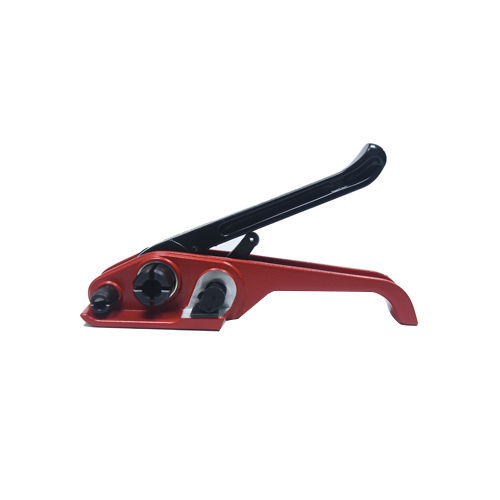
About Manual Tensioners
Manual Tensioners are devices used to adjust the tension on a belt or chain drive system, typically found in industrial machinery. They are manually adjusted and tightened, usually with a bolt or lever, in order to maintain proper tension on the system and prevent excessive wear or slipping. One of the benefits of manual tensioners is their simplicity and ease of use. Manual Tensioners require minimal maintenance and can be quickly adjusted without the need for specialized tools or equipment. Additionally, manual tensioners can be more cost-effective than automatic tensioners, as they do not require any electrical or mechanical components.
Precision and DurabilityManufactured from premium stainless steel, our manual tensioners withstand harsh industrial conditions and frequent use. Their corrosion resistance ensures a long operational life, making them ideal for applications where longevity and reliability are crucial. The robust construction allows for consistent tensioning, reducing wear on other components and improving overall system efficiency.
Flexible Control for Diverse NeedsThe manual selection mode combined with frequency speed control offers users the flexibility to adjust tension settings according to specific operational requirements. This adaptability is beneficial for diverse industries, such as packaging, textiles, and conveyor systems, where precise tension is crucial for optimal workflow and product quality.
FAQs of Manual Tensioners:
Q: How is the tension adjusted in these manual tensioners?
A: Tension is adjusted manually by the operator using the built-in controls, which allow for precise regulation via the frequency speed control system. This ensures exact tensioning tailored to particular application needs.
Q: What materials are used in these manual tensioners and why?
A: These tensioners are made from stainless steel due to its exceptional durability, resistance to corrosion, and ability to perform reliably in tough industrial environments, thereby enhancing longevity and minimizing maintenance requirements.
Q: When should manual tensioners be chosen over automatic or computerized options?
A: Manual tensioners are ideal when precise operator control is needed, when simplicity is important, or in environments where computerized systems may be unnecessary or less reliable, such as smaller or semi-automatic production lines.
Q: Where can these manual stainless steel tensioners be applied?
A: They are suitable for use across various industries in India and abroad, including manufacturing, packaging, textile processing, and conveyor systemsanywhere accurate and consistent tensioning is required.
Q: What is the process for using a manual tensioner with frequency speed control?
A: The user manually selects the desired tension mode and uses the speed control system to fine-tune tension. This allows dynamic adjustments during operation, enhancing production precision and reducing downtime.
Q: What are the main benefits of using a manual, semi-automatic tensioner?
A: These tensioners offer operator-driven precision, high durability, lower risk of malfunction due to non-computerized design, and reduced maintenance costs, making them cost-effective and reliable for a variety of usage scenarios.



 English
 Spanish
 French
 German
 Italian
 Chinese (Simplified)
 Japanese
 Korean
 Arabic
 Portuguese
 Send Inquiry
 Send Inquiry


