About Clay Desiccant
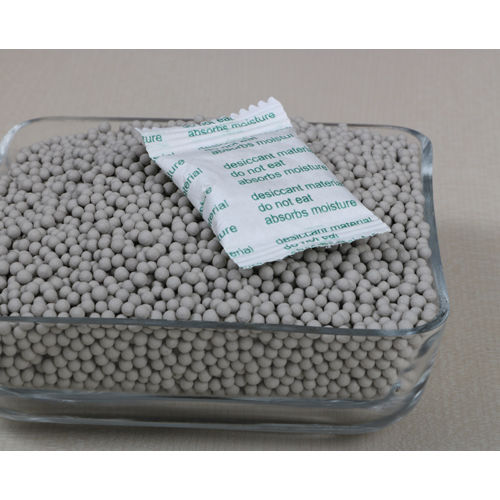
Clay Desiccant is both used as moisture absorbents in various industries. However, they differ in their chemical makeup and effectiveness. Clay desiccant is made from bentonite clay and is commonly used in the food and pharmaceutical industry. It is often packaged in small bags and placed inside product packaging to absorb moisture and prevent spoilage. Clay Desiccant is a highly effective desiccant and can absorb up to 40% of its weight in water. Silica gel also has a higher surface area than clay desiccant, allowing it to absorb moisture faster and more efficiently. It is commonly used in electronics, textiles, and leather industries to prevent moisture damage.
High Absorption CapacityThis clay desiccant can absorb over 20% of its own weight, making it particularly effective in controlling moisture in sensitive environments. It is suitable for applications where preventing dampness or mold is critical, including electronics, pharmaceuticals, garments, and packaged food products. Its granular form ensures even distribution and rapid activation.
Safe and Odorless SolutionWith a pH value of 7-7.5 and being completely odorless, this desiccant does not impart any smell or chemical residue, which is crucial for products like food and pharmaceuticals. Its 99% purity and insolubility in water guarantee safe use around valuable and delicate items without risk of contamination.
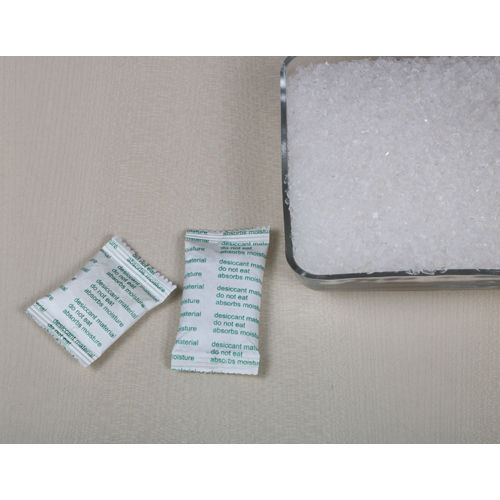
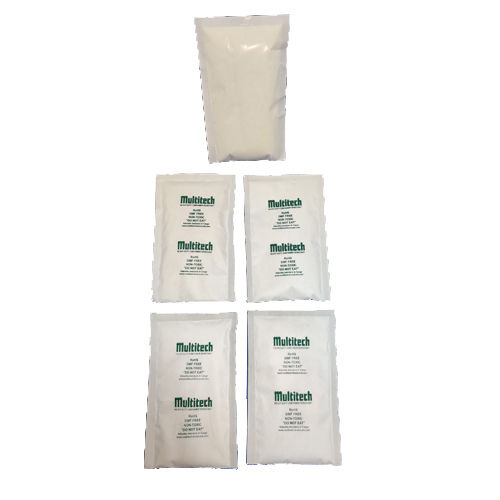
Convenient Packaging and Long Shelf LifeAvailable in 25 kg bags or sachets, the clay desiccant is easy to store, handle, and distribute. It boasts a shelf life of up to 2 years if kept in dry conditions, ensuring long-term reliability for manufacturers and exporters. Its granular structure caters to diverse packaging needs, from bulk storage to single-use sachets.
FAQs of Clay Desiccant:
Q: How should clay desiccant be applied in industrial packaging?
A: Clay desiccant is typically placed inside packages, containers, or shipping cartons to absorb excess moisture and protect contents. It can be used in either bulk (25 kg bags) or distributed as sachets within each package based on the size and moisture sensitivity of the items being shipped or stored.
Q: What are the benefits of using clay desiccant for moisture control?
A: Using clay desiccant ensures reliable protection against mold, corrosion, and spoilage by efficiently absorbing humidity. Its odorless, neutral, and insoluble nature makes it safe for electronics, pharmaceuticals, garments, and food packaging, preserving product quality throughout transport and storage.
Q: When and where should clay desiccant be replaced?
A: Clay desiccant should be replaced at intervals depending on the level of humidity exposure and storage time, typically before the expiration of its 2-year shelf life. Use fresh desiccant whenever packaging is opened, especially in humid environments or when dealing with moisture-sensitive products.
Q: What is the process of using clay desiccant in electronics and pharmaceuticals?
A: Simply insert the recommended amount of clay desiccant sachets or bulk granules inside sealed containers or equipment packaging. This process helps maintain optimal moisture levels, preventing potential damage to electronic circuits or pharmaceutical formulations during transport and storage.
Q: How does the absorption capacity of clay desiccant compare to other desiccants?
A: With an ability to absorb over 20% of its own weight, clay desiccant provides efficient moisture absorption, often comparable to silica gel or other common desiccants, making it suitable for a wide range of industrial and commercial applications.
Q: Where should clay desiccant be stored before use?
A: For maximum efficacy, store the clay desiccant in a dry, cool place away from direct exposure to moisture or open air. Keep the packaging tightly sealed until use to preserve its absorption properties.




 English
 Spanish
 French
 German
 Italian
 Chinese (Simplified)
 Japanese
 Korean
 Arabic
 Portuguese
 Send Inquiry
 Send Inquiry

